
Contents
Prime Day 2025: Top Generator Deals and Essential Buying Guide
As we reach the midpoint of Prime Day 2025, which runs through Friday, July 11, there are still numerous deals available on generators. One standout option is the Bluetti AC500 Power Station, which offers expandability and can deliver up to 16,588 watt hours with additional batteries. This makes it capable of providing power for several days in a home setting. If you’re not looking for something quite this powerful, there are other options worth considering.
Having a home generator can be beneficial no matter where you live, but it becomes crucial in areas prone to extreme weather and frequent power outages. Whether you need to keep your fridge running during a blackout or have a larger portable generator or standby generator to keep your entire home powered, investing in emergency power is essential.
Best Home Generators
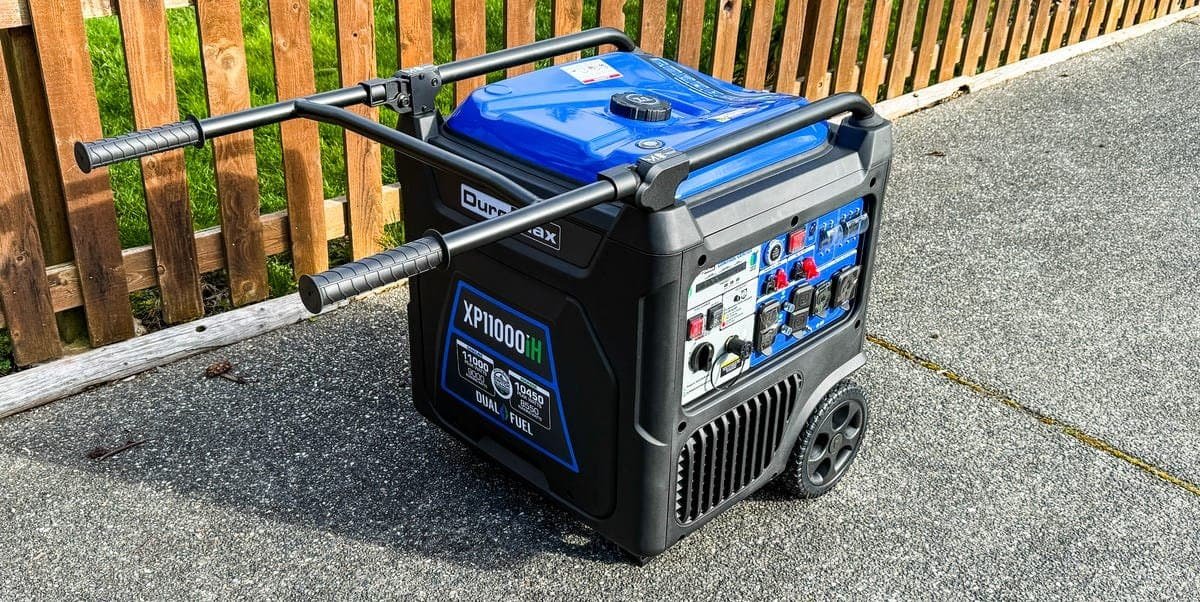
- Best Overall: DuroMax 11,000-Watt Portable Dual-Fuel Inverter Generator
- Best Value: Generac GP9500E Tri-Fuel Portable Generator
- Best Mid-Size: Champion Power Equipment 4,750-Watt Dual-Fuel Portable Generator
- Best Power Station: EcoFlow Delta Pro 3 Portable Power Station
- Best Solar Bundle: Anker F3800 Plus + 400W Solar Array
The Expert
As a freelance journalist and reviewer who covers various types of gear, including power tools, outdoor equipment, and automotive products, I specialize in generators. My experience includes testing everything from mini solar gens to home backups for publications like Popular Mechanics, Popular Science, Thrillist, and The Daily Beast. I’ve used generators to power homes and RVs, run appliances in converted vans and campsites, set up work sites, and even power an outdoor concert.
What to Consider
Purchasing a large portable generator from a local hardware store might seem straightforward, but it’s not always the best choice. You want a generator that can back up your home and power all your appliances, lights, and electronics. Additionally, state and local laws or HOA rules may restrict the use of generators in residential neighborhoods. Choosing the wrong generator or setting it up incorrectly could lead to damage, fire, electrocution, or carbon monoxide poisoning.
How to Choose a Generator
Selecting the right generator starts with calculating your energy needs. Ideally, you want a generator with a running wattage that exceeds your home’s requirements by about 2,000 watts. For short blackouts, a generator supplying 3,000-5,000 watts should suffice. To run critical equipment like a fridge, heat, and hot water, plan for at least 6,000 to 8,000 watts. If you include large appliances, aim for 10,000 watts. For full backup, small to medium households typically need 8,000 to 10,000 watts, with an extra 20% added for large homes or extensive appliance setups.
Energy Loads and Recommended Circuits
Generators can last between 1,000-3,000 hours, potentially lasting 10 to 30 years if used for 100 hours per year. Understanding the different types of generators can help you make an informed decision.
Types of Generators
- Portable: These generators are designed to bring power wherever you need it. They are heavy, often over 100 pounds, and require two people to move. They feature multiple ports for powering various devices.
- Inverter: These generators include a power inverter that stabilizes the power output, making them ideal for sensitive electronics like TVs and laptops.
- Standby: Permanently installed generators that automatically take over during outages. They are more expensive and require professional installation.
- Fuel Type: Most generators use gasoline, while dual- and tri-fuel models offer propane or natural gas options. Solar generators are also becoming more popular, though they require professional installation.
How We Selected
We conducted hands-on testing of most of the generators in our list. Others were selected based on recommendations from Popular Mechanics, manufacturer trends, advice from product engineers, and consumer reviews. We evaluated factors such as ease of setup, performance under load, safety features, and customer feedback.
Full Reviews
DuroMax XP11000iH
At $2,599, this dual-fuel inverter generator offers 9,000W running output and is suitable for medium-sized homes. It features a built-in inverter, remote control, and low oil shut-off. While heavy, it is durable and relatively quiet when running on propane.
Generac GP9500E
Priced at $1,099, this tri-fuel generator provides 9,500W running capacity and versatility with gas, propane, and natural gas options. It lacks some advanced features but delivers solid performance at a reasonable price.
Champion Power Equipment 4,750-Watt Generator
For around $590, this generator is ideal for powering three or four circuits in your home. It has a 4.7-gallon fuel tank and dual-fuel capability, making it suitable for RVs and camping trips.
EcoFlow Delta Pro 3
At $2,484, this power station is highly efficient and can provide whole-home backup without gas or solar panels. It supports high-power appliances and can be expanded with additional batteries.
Anker F3800 Plus
Priced at $4,997, this solar power station offers a massive 26,900 watt-hour capacity when fully expanded. It features multiple outlets, fast charging capabilities, and compatibility with EV charging stations.
Bluetti AC500
At $1,699, this expandable power station can hold up to 16,588 watt hours with additional batteries. It is ideal for solar setups and features a power inverter and USB ports.
Predator 13,000W Tri-Fuel Generator
This generator offers 13,000W max output and is suitable for large homes. It features a remote starter, digital engine monitoring, and a wide range of outlets.
Briggs & Stratton PowerProtect 13,000W
At $4,283, this standby generator is ideal for most single-home properties. It is compact, quiet, and features automatic self-testing and app connectivity.
FAQ
How can you tell if your generator is overloaded?
Signs of overload include dimming lights, flickering appliances, and a louder generator. Immediate action is necessary to prevent overheating and potential damage.
How long can a home generator run continuously?
With proper fuel supply and within its running wattage capacity, a generator can run for extended periods. Power stations can be charged while in use.
Where should you position a home generator?
Never run fuel-based generators indoors. Position them outside, away from doors, windows, and vents, and ensure proper exhaust placement.



