


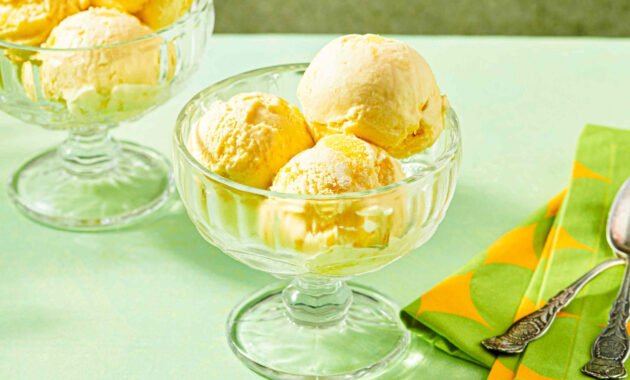
The Science Behind No-Churn Ice Cream and the Key Ingredient That Makes It Work
No-churn ice cream is a simple yet effective method for creating creamy, scoopable desserts without the need for an ice cream maker. The secret lies in using the right ingredients, particularly sweetened condensed milk, which plays a crucial role in preventing large ice crystals from forming.
Understanding Ice Crystals and Their Impact on Texture
Ice cream relies on ice crystals to provide structure, but the size of these crystals is critical. Small ice crystals result in a smooth, creamy texture, while large ones create a gritty, icy feel. Commercial ice creams maintain crystal sizes between 26.3–67.1 micrometers (μm), as larger crystals can be detected by the human tongue at around 50 μm and cause discomfort at 100 μm.
To achieve this ideal texture at home, two main strategies are used: adding solutes like sugar and suppressing a process called Ostwald ripening.
The Role of Sugar in Preventing Large Ice Crystals
Dissolved substances such as sugar interfere with the formation of ice crystals by binding to water molecules. This prevents them from organizing into large, rigid structures. Sweetened condensed milk is especially effective because it contains a high concentration of sugar—about 45% by weight—which lowers the freezing point of the mixture and keeps it semi-liquid in the freezer.
In addition to sugar, sweetened condensed milk also contains fat, nonfat milk solids, and lactose. These components contribute to a smooth, velvety texture. However, the high sugar content can lead to crystallization issues if not managed properly. During production, manufacturers seed the mix with fine lactose crystals to prevent unwanted grittiness.
Suppressing Ostwald Ripening for a Smooth Texture
Ostwald ripening occurs when smaller ice crystals shrink and larger ones grow, leading to a coarse texture. This process can be reduced through mechanical methods, such as churning, or by introducing small nucleation sites that encourage even crystal growth.
In traditional ice cream making, an ice cream maker agitates the mixture, breaking up larger crystals as they form. For no-churn recipes, the key is to use ingredients that naturally inhibit crystal growth. Sweetened condensed milk acts as a natural anti-freeze agent, keeping the mixture soft and preventing large ice crystals from forming.
How Ice Cream Makers Work
Modern ice cream makers use a two-phase freezing system to control crystal size. The dynamic freezing phase involves chilling the mixture while churning, which creates a uniform matrix of micro-sized ice crystals. The static freezing phase then hardens the mixture to a scoopable consistency.
Without this process, the final product may end up being chunky and crunchy.
The Secret to Creamy No-Churn Ice Cream
No-churn ice cream relies on ingredients that naturally suppress ice crystal formation. The primary ingredient is sweetened condensed milk, which has a low freezing point and a syrupy consistency that resists solidifying. Unlike regular milk or cream, which freeze into rock-hard slabs, condensed milk remains semi-fluid in the freezer, ensuring a smooth texture.
Another essential component is heavy whipping cream. When whipped to soft peaks, it traps air, creating a light, airy structure that contributes to the texture of the ice cream. The fat and air from the cream also act as barriers against ice crystal formation, resulting in a rich, creamy dessert.
A Step-by-Step Guide to Making No-Churn Ice Cream
Creating no-churn ice cream is straightforward:
- Whip the Cream: Use a blender or food processor to whip two cups of cold heavy cream to soft peaks.
- Add Sweetened Condensed Milk: Gently fold in one 14-ounce can of sweetened condensed milk until fully combined.
- Flavor (Optional): Add flavorings, mix-ins, or fruit purees carefully to avoid introducing excess moisture.
- Freeze: Pour the mixture into a loaf pan or freezer-safe container and freeze until firm.
This simple process results in a creamy, scoopable dessert that rivals store-bought options.
Adding Flavor Without Icy Fallout
When adding flavors, it’s important to avoid ingredients with high water content, such as fresh fruit, which can introduce free water and lead to icy textures. Instead, opt for jams, cooked fruit purees, nut butters, chocolate, or alcohols, which add bold flavor without compromising texture.
For example, boiling mango puree with sugar before folding it into the base ensures a smooth, sorbet-like consistency that pairs beautifully with the condensed milk base.
The Final Scoop
Ice cream is a complex colloid made up of solid, liquid, and gas components. The combination of ice crystals, fat globules, a sugar-dense syrup, and air pockets gives it its signature texture. With just a few pantry-friendly ingredients and a bit of kitchen chemistry, you can recreate this complexity at home.
Whether you’re making a classic vanilla or experimenting with bold flavors, no-churn ice cream offers a delicious, easy alternative to traditional methods. All you need is a blender, hand mixer, or food processor to whip the cream and fold in the condensed milk, and you’re ready to enjoy a creamy, scoopable dessert that’s every bit as good as what you’d buy in a pint.