
Contents
The Challenges of Remote Work with a Newborn
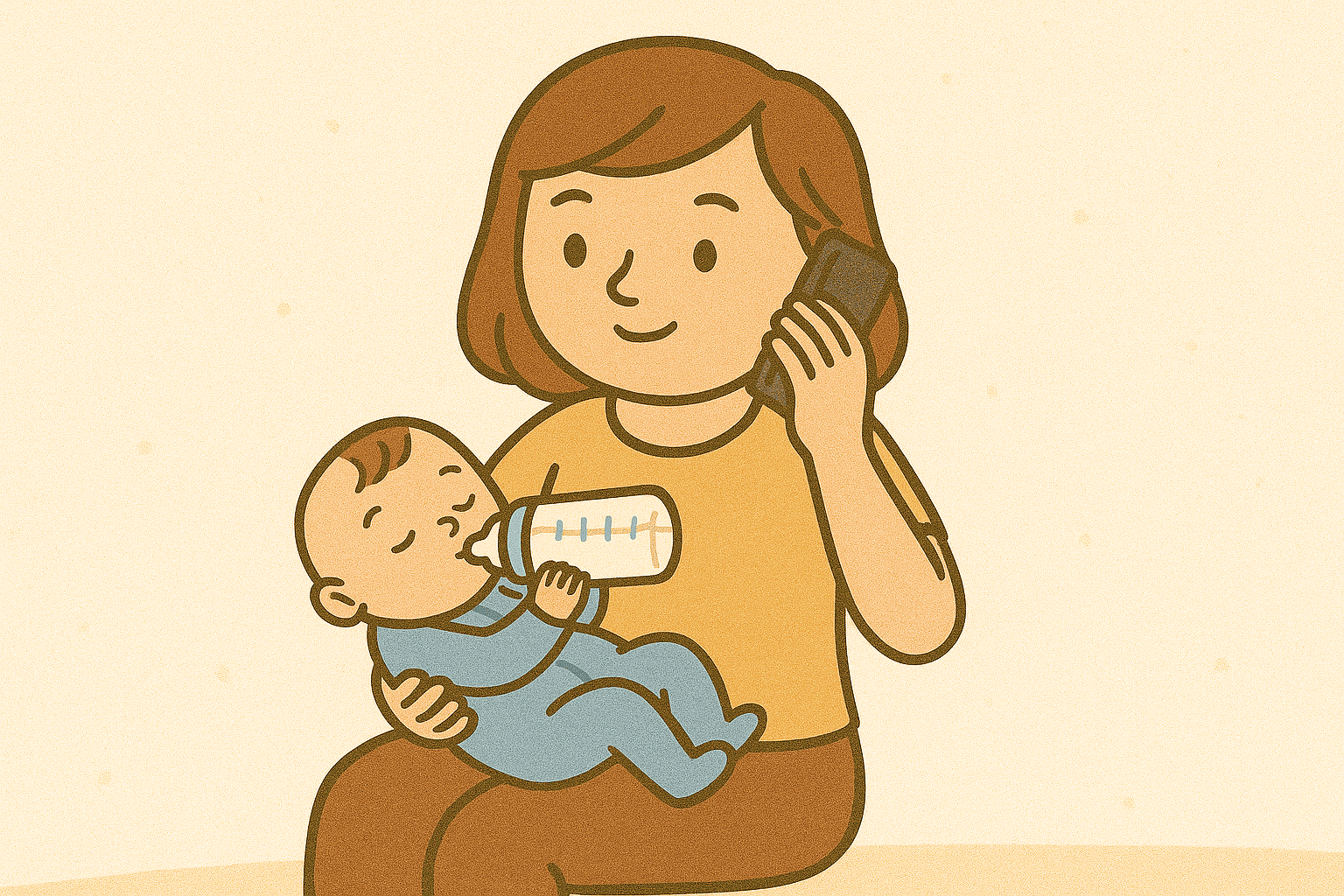
Working from home with a newborn can seem like the perfect scenario—no commutes, more time to bond, and the comfort of being close to your baby. However, many new parents quickly realize that it’s not as seamless as it sounds. Juggling team meetings with nap schedules, dealing with baby cries during client calls, and trying to meet deadlines while soothing a fussy infant can be overwhelming.
Remote work as a new parent comes with unique challenges. But it also presents an opportunity to redefine how we live, work, and care for our families. With experience in working from home for over 20 years and raising children for the past 13, I’ve learned several practical tips and tricks to keep our household running smoothly, at least most of the time.
This guide aims to offer actionable insights for parents who are raising a newborn while working from home. From managing expectations to creating a fair division of labor and sharing the mental load, it’s designed to help you move from daily chaos to something more sustainable—and maybe even joyful.
The Unspoken Challenges
Parenting a newborn transforms your life in profound and unexpected ways. When combined with remote work, it becomes managing two demanding full-time roles simultaneously. One of the biggest struggles is maintaining boundaries. When your workspace is also your nursery, it becomes difficult to mentally shift between being a parent and being a professional. You might find yourself replying to emails while feeding your baby or dialing into meetings during a nap—neither of which feels like you’re doing either job well.
Another major challenge is the unpredictability of a newborn’s schedule. Babies don’t follow a calendar, and they certainly don’t care if you have a critical meeting. Sleep regressions, growth spurts, and teething can all disrupt your carefully planned workday. On top of that, many couples face an uneven division of labor. Without clear communication, one partner often ends up doing more of the baby care, leading to resentment and frustration, especially when both are trying to maintain demanding careers.
The emotional toll of constant multitasking can lead to burnout. Parents may feel like they’re falling short in every area—underperforming at work, missing milestones at home, and losing touch with their own identity. This emotional fatigue can build up until it spills over into arguments, disconnection, or even symptoms of depression and anxiety.
Finally, there’s the challenge of isolation. Without coworkers to chat with or family members to help, the days can feel long and lonely. Even when you’re physically never alone because of a baby attached to you, the lack of adult interaction can be mentally exhausting. This isolation, paired with the intensity of caring for a newborn and juggling professional expectations, can make even simple tasks feel overwhelming.
But take a deep breath—there are ways through this. While every family’s situation is different, many parents have found relief by embracing shared strategies: setting clearer boundaries between work and parenting time, scheduling regular check-ins with their partner, building a flexible (not rigid) daily routine, and carving out even small moments for self-care.
Why Communication Comes First
Before diving into schedules or apps, the most important thing any parenting team can do is commit to clear and regular communication. You and your partner need to be on the same page about your needs, expectations, and capacities—not just once, but continuously. A helpful strategy is to schedule a weekly conversation focused solely on household alignment. During this time, discuss what each of you has coming up at work, any changes in the baby’s needs or routines, and how you’re each doing emotionally.
These check-ins should be seen as opportunities to proactively prevent misunderstandings or resentment. It’s important to use constructive language that centers how you’re feeling rather than placing blame. For example, saying “I’m feeling overwhelmed with how much I’m juggling during the day” opens the door to solutions more easily than “You’re never helping enough.” Communication like this lays the groundwork for healthy adjustments and strengthens your ability to function as a team.
Creating a Household Agreement
One of the most effective tools for remote-working parents is a written household agreement. This doesn’t have to be formal or complex, but it should clearly lay out responsibilities, working hours, and shared expectations. Writing it down helps prevent miscommunication and gives you something to revisit when life inevitably throws curveballs.
For example, your agreement might ensure that each partner gets dedicated blocks of uninterrupted work time each day. You can also define who handles the baby’s morning and evening routines, agree on which day of the week one partner gets more work time while the other takes on additional parenting duties, and clarify how you’ll handle unexpected situations like illness or missed naps. The goal isn’t rigid structure—it’s clarity, fairness, and adaptability.
Make sure to also include space for mental health and individual time. Each parent should have at least a couple of hours each week to recharge without feeling guilty. Whether it’s going for a walk, exercising, attending therapy, or simply doing nothing, this time is vital for avoiding burnout and staying grounded.
Helpful Tools That Keep You Organized
Technology can be a powerful ally in managing the moving parts of parenting and remote work. A shared digital calendar, such as Google Calendar, can help you coordinate everything from meetings to feeding schedules. Color-coding events makes it easier to visualize the day at a glance and avoid overlap.
Some couples use messaging platforms like Slack or even dedicated texting threads to send real-time updates during the day, like “baby just went down for a nap” or “I’ve got a call—can you take over?” Project management tools like Trello or Notion can also help with baby-related logistics, such as tracking diaper inventory, feeding routines, or doctor appointments. Even something as simple as a smart baby monitor app can give you peace of mind when one parent is on duty and the other is in a meeting.
The key with tools isn’t to over-complicate things—it’s to reduce friction and mental load. Use what works for you, and don’t be afraid to adjust as your baby grows and your work demands shift.
Self-Care Is A Survival Skill, Not A Luxury
In the whirlwind of parenting and productivity, it’s easy to forget about yourself. But neglecting your own well-being only sets the stage for burnout. Remote-working parents often fall into the trap of thinking they must be productive during every quiet moment. The truth is, you need rest—and not just sleep. You need space to think, breathe, and recharge.
The good news is, even small moments of restoration can make a big difference. A ten-minute walk outside, listening to a podcast while feeding the baby, doing a five-minute stretch between meetings—these things count. What matters most is intentionally creating space, however brief, that is just for you. When you show up for yourself, you’re better able to show up for your baby, your partner, and your work.
What To Do When Everything Falls Apart
Even the best systems will fail sometimes. Your baby will get sick. A deadline will get missed. The house will look like a disaster zone. Tempers might flare, and feelings might get hurt. That’s normal.
What matters in these moments isn’t perfection, but recovery. Return to your communication habits. Revisit your household agreement. Talk about what went wrong and how to adjust. Offer each other grace and move forward. Resilience—not rigidity—is the true secret to navigating this phase of life successfully.
Final Words Of Encouragement
If you’re parenting a newborn while working remotely—especially in a household where both parents are working—know that what you’re doing is hard. It’s not just you. You are learning how to adapt in real time to a reality no one trains us for.
You’re not failing—you’re navigating something extraordinary. You’re not alone—thousands of other parents are working through the same complexities. And you’re doing better than you probably give yourself credit for. Don’t aim for perfect. Aim for present, flexible, and connected. That’s what your baby needs most.
To make this season of life more manageable, prioritize open, ongoing communication and create a written household agreement to share responsibilities fairly. Use simple tools to stay organized, and make sure each partner gets protected time for both work and self-care. Expect that things will go wrong sometimes, and when they do, rely on teamwork and flexibility to reset.
Remote parenting isn’t easy, but with the right mindset and systems in place, it can also be one of the most rewarding times of your life. You’ve got this.



